
Natural Help for Common Childhood Illnesses
Kitchen comforts for sniffles, unsettled tummies, and restless nights
A pot of soup simmering on the stove. A little honey for a scratchy throat. A warm bath followed by a favorite story.
When children aren’t feeling their best, these familiar comforts can make a long day a little easier—for them and for the grown-ups caring for them.
As school routines settle in and fall arrives, it’s a good time to think about the simple things we can keep on hand. You don’t need a cupboard overflowing with remedies. Often, a few kitchen staples and a slower pace are a good place to begin.
At Robinson Heritage Farm and RH Farmacy, we call this Kitchen Wellness: bringing nourishment, traditional knowledge, and thoughtful care into everyday family life.
When the Sniffles Arrive, Put the Soup On
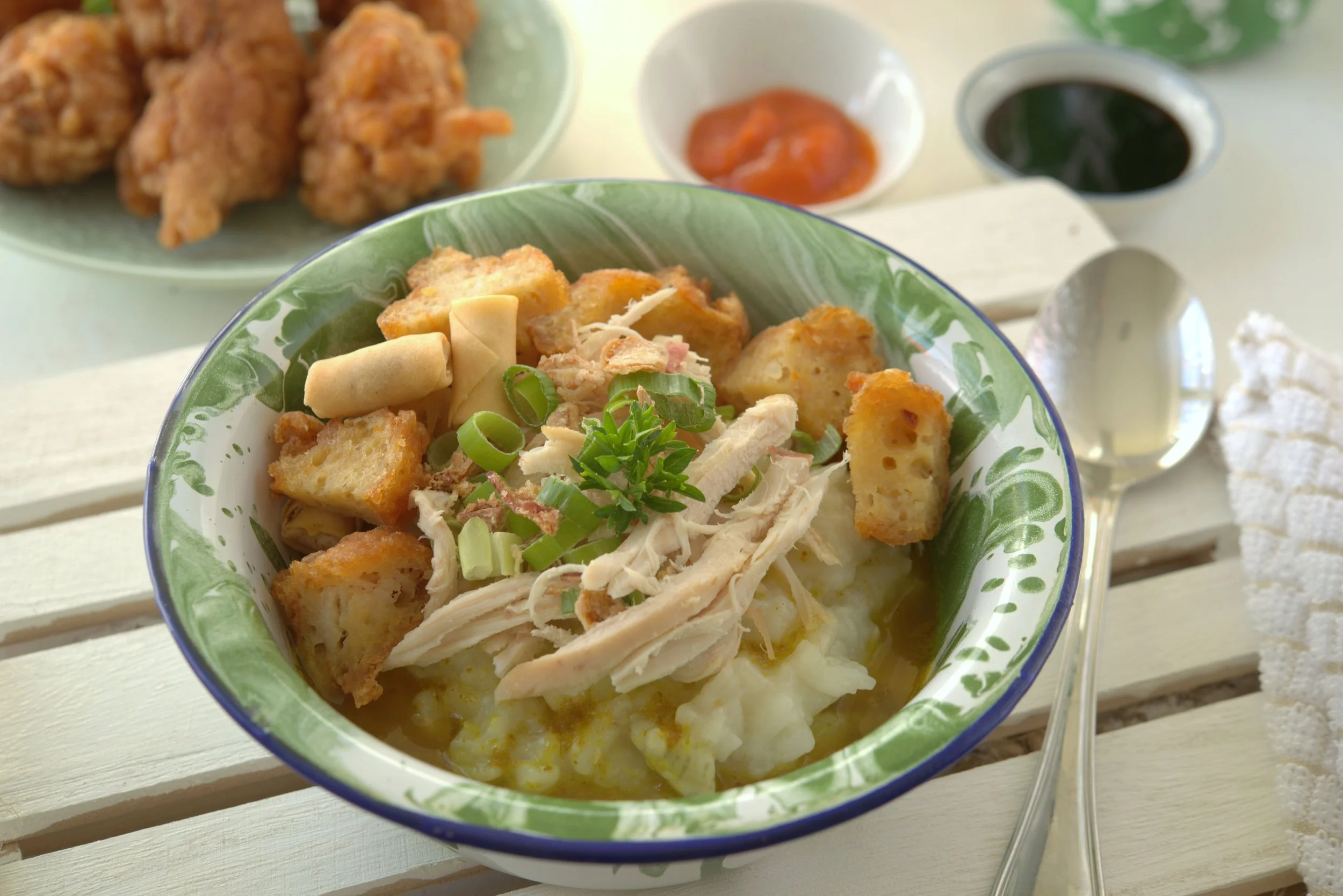
chicken soup topped with herbs and croutons
There’s a reason soup has earned its place in generations of family kitchens. It’s warm, comforting, and an easy way to offer fluids and a little nourishment when appetites are small.
Keep it familiar. Chicken and rice soup, a mild vegetable broth, or a simple soup with soft carrots and noodles may be more welcome than a complicated meal. Serve it comfortably warm, and let your child’s appetite guide the portion.
For children 12 months and older, a small spoonful of honey may help soothe a cough. You can also stir a little into warm—not hot—water.
Never give honey to babies younger than one year, including honey mixed into food, tea, or syrup.
Alongside those kitchen comforts, make room for quiet play, extra rest, and regular drinks. A sick day doesn’t need a full activity schedule. Even the laundry can wait its turn.
Give Unsettled Tummies a Gentle Welcome
When a child says, “My tummy hurts,” a large meal is rarely an appealing invitation.
As appetite returns, offer small portions of familiar foods: oatmeal, rice, toast, banana, or a simple soup. These can be a starting point, with the child’s usual variety of foods returning as tolerated. There’s no need to stay on a restrictive diet of only bananas, rice, applesauce, and toast.
Ginger has a long history in kitchen traditions. A little grated ginger can bring gentle warmth to a family soup, though a strong ginger drink may be more than a child wants. Think familiar food and mild flavor rather than concentrated remedies.
If vomiting or diarrhea is involved, hydration comes first. Ask your pediatrician about an oral rehydration solution; tea and broth don’t replace the balanced fluids and salts it provides.
Make Room for a Calmer Evening
After a busy day—or a day of feeling poorly—children may need help making the transition to rest.
Start with the surroundings: lower the lights, put screens away an hour before bedtime, and follow a familiar sequence. A comfortably warm bath, pajamas, and a favorite book can become a reassuring rhythm.
Chamomile is a familiar herb in evening tea traditions. Before offering it to a child, check with their pediatrician about whether it’s appropriate, especially if your child has allergies or takes medication. Chamomile can cause reactions in people sensitive to ragweed and related plants.
The bedtime ritual can be comforting all on its own. A plain warm bath needs no essential oils, and a quiet cuddle needs no recipe.
Where Does Elderberry Fit?
Elderberry syrup has a long place in seasonal herbal traditions, and many families enjoy keeping it on their wellness shelf.
With children, choose thoughtfully. Review the specific product and ingredients with your pediatrician before use. Elderberry isn’t a proven way to prevent the illnesses children bring home, and honey-containing syrups are never appropriate for babies under one.
Use properly prepared products; raw or unripe elderberries and the plant’s stems and leaves can be harmful.
Traditional knowledge is most useful when paired with care for the individual child.
Stock a Simple Kitchen Comfort Shelf
A little preparation can save a tired parent or grandparent an extra errand. Consider keeping these basics available:
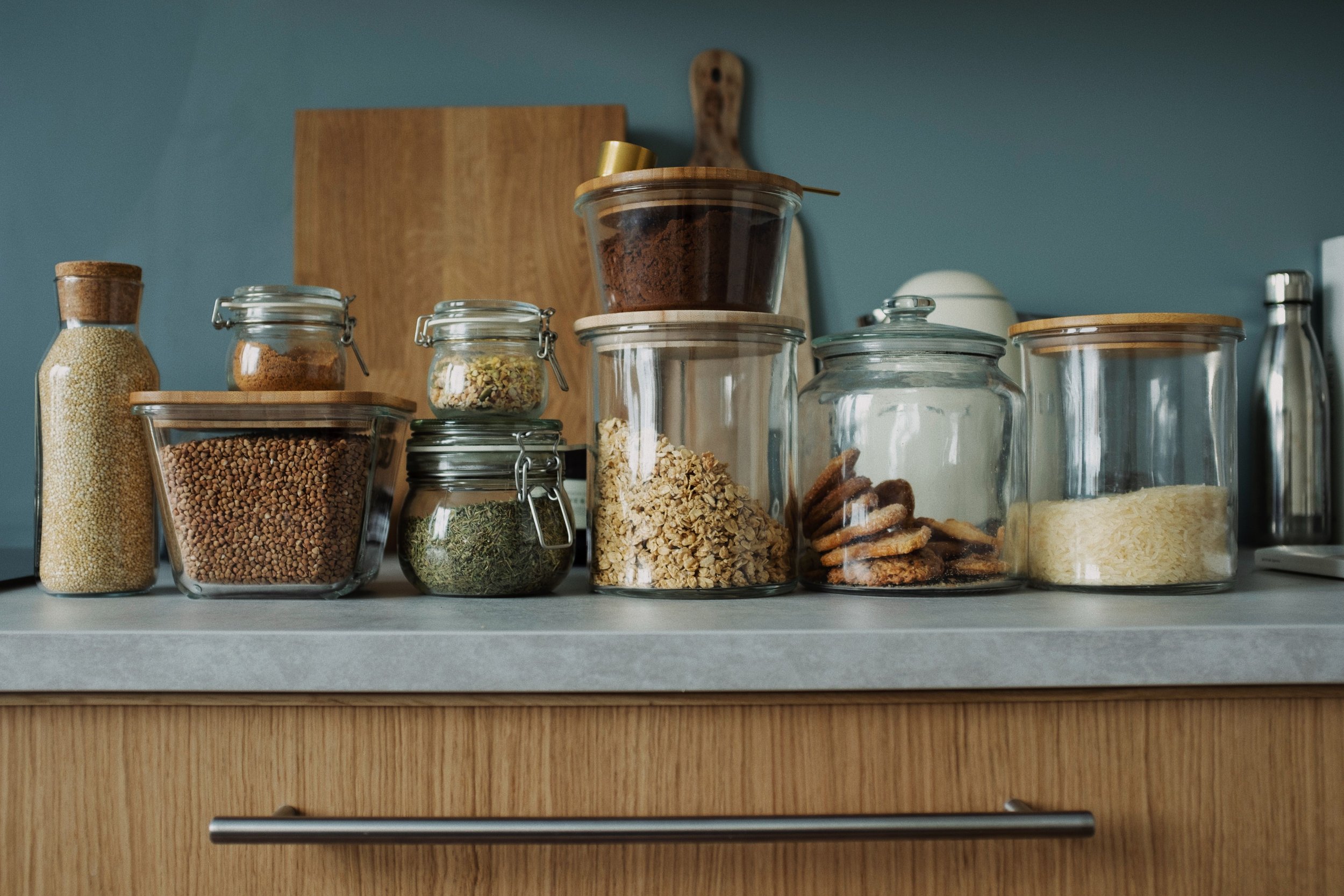
Glass jars holding oats and other pantry staples on a kitchen counter.
Broth or small portions of homemade soup in the freezer
Oats, rice, and other familiar pantry foods
Honey for family members age one and older
Any herbal products already reviewed with your child’s pediatrician
A favorite book reserved for quiet afternoons
Keep herbal products and medicines securely out of children’s reach.
Know When to Call the Pediatrician
Kitchen care can offer comfort alongside appropriate medical care. Call your pediatrician when symptoms persist or worsen, your child isn’t drinking or urinating normally, or something simply doesn’t seem right. Seek urgent help for breathing difficulty, severe pain, or unusual difficulty waking. A baby younger than three months with a temperature of 100.4°F or higher needs immediate medical evaluation.
Small Acts of Care Matter
You don’t have to do everything to care well for your family. A nourishing bowl, a quieter evening, and a little preparation can help you meet those under-the-weather days with more confidence.
At RH Farmacy, we’re glad to share our herbal ingredients and help you learn more about what’s on your family’s wellness shelf. For children, bring those ingredient lists to your pediatrician so you can choose what fits their age and needs.
Sometimes kitchen medicine begins with putting the kettle on—and staying close.
This article shares general wellness education and does not replace advice from your child’s pediatrician.