
Herbal Allies for the Heart: Wisdom from the Winter Garden

February invites us to slow down, breathe deeper, and remember what matters most. It is Heart Health Month — and here on the farm, the garden reminds us that caring for the heart is both simple and powerful.
Herbal medicine for heart health is not new. It is rooted in generations of plant wisdom. Even in winter, the garden still offers allies that support circulation, nourish the blood, calm the nervous system, and strengthen the cardiovascular system naturally.
Let’s step into the winter garden and meet a few of the herbs that love your heart back.
Why Herbal Wellness for Heart Health Matters
Heart disease remains one of the leading health concerns in America. While medical care plays an important role, everyday lifestyle choices make a profound difference.
Functional nutrition and herbal medicine focus on:
Supporting healthy circulation
Nourishing the cardiovascular system
Reducing inflammation
Balancing stress response
Providing mineral-rich plant support
The beauty of herbal allies for heart health is that they work gently and consistently over time.
Hawthorn: The Classic Heart Tonic
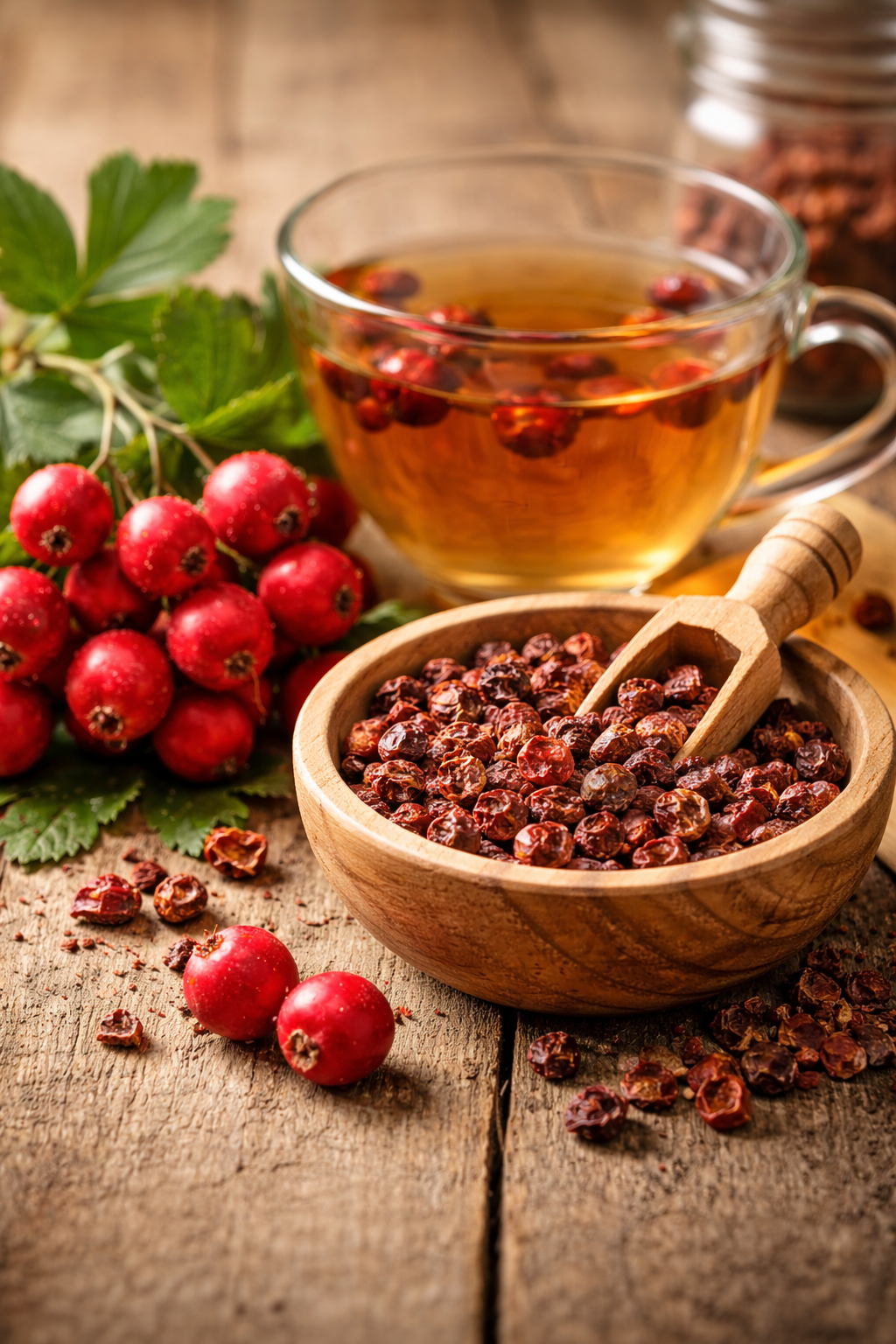
If there is one herb most associated with heart health, it is hawthorn.
Traditionally used for centuries in European herbal medicine, hawthorn supports:
Healthy circulation
Cardiac muscle tone
Blood vessel integrity
Overall cardiovascular strength
Hawthorn is often called a “heart trophorestorative,” meaning it nourishes and supports the heart over time rather than forcing a quick effect.
In winter, when we are less active and more indoors, hawthorn tea or tincture can be a steady companion.
Nettle: Mineral Support for the Cardiovascular System

Nettle may not look glamorous, but it is a powerhouse.
Rich in minerals like magnesium, calcium, and iron, nettle supports:
Healthy blood building
Balanced blood pressure
Nervous system resilience
Overall vitality
Minerals matter deeply for heart function. Many modern diets are depleted, but mineral-rich herbs like nettle help replenish what daily stress depletes.
A simple nettle infusion is one of the most affordable and effective ways to nourish the body.
Red Clover: Gentle Blood Support
Red clover is often known for its role in women’s wellness, but it also gently supports the circulatory system.
Traditionally used to:
Support healthy blood flow
Encourage detoxification
Promote vascular health
Red clover is mild, approachable, and blends beautifully into heart-supportive tea formulas.
Microgreens and Heart Health: Food as Medicine
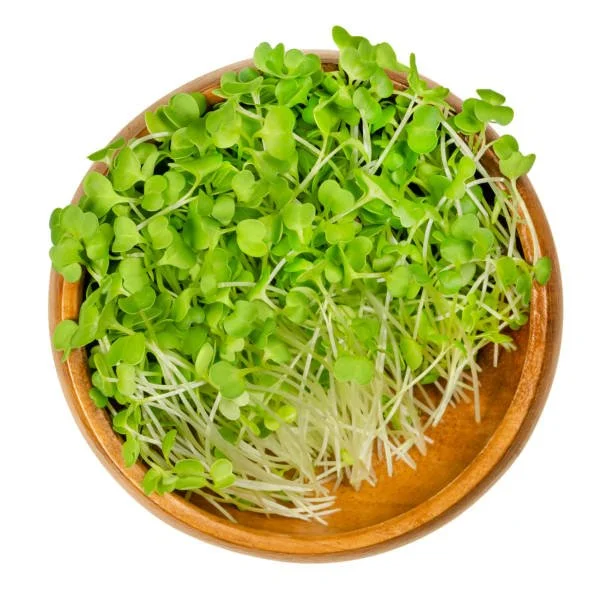
The winter garden does not only offer herbs. It offers living food.
Microgreens are harvested at their nutritional peak and are concentrated sources of antioxidants, phytonutrients, and chlorophyll.
For heart health, consider:
Broccoli microgreens for sulforaphane and antioxidant support
Sunflower shoots for healthy fats and vitamin E
Pea shoots for plant protein and fiber
Radish microgreens to gently stimulate circulation
Fresh, locally grown microgreens support inflammation balance and nutrient density — two pillars of cardiovascular wellness.
Food and herbs work best together.
Stress, the Nervous System, and the Heart
We cannot talk about heart health without talking about stress.
Chronic stress places significant strain on the cardiovascular system. Gentle nervine herbs like lemon balm and nourishing teas can help calm the body’s stress response.
When we support the nervous system, we support the heart.
Winter is the perfect season to slow down, sip warm tea, and build resilience before spring arrives.
Simple Ways to Support Your Heart This February
You do not need complicated protocols to care for your heart.
Start with these simple steps:
Add fresh microgreens to one meal daily.
Enjoy a mineral-rich herbal tea 3–4 times per week.
Take a 10-minute walk outside, even in winter sunlight.
Practice deep breathing for five minutes before bed.
Choose whole, colorful foods whenever possible.
Consistency matters more than intensity.
Bringing Herbal Wisdom Into Modern Life
At Robinson Heritage Farm in Dawsonville, Georgia, we grow nutrient-dense microgreens and cultivate herbs with care. Our approach blends ancestral herbal wisdom with modern functional nutrition principles.
The goal is simple:
To make heart-supportive choices practical, accessible, and rooted in community.
Herbal medicine for heart health does not have to feel overwhelming. It begins in small, daily decisions — in the kitchen, at the table, and in the garden.
A Gentle Reminder
Herbal education is empowering, but it does not replace medical care. If you have a diagnosed heart condition or are taking medication, always consult your healthcare provider before beginning new herbal support.
Plants are powerful. Use them wisely.
Love Your Heart Well
February is a beautiful time to reflect on what we cherish. Loving your family well begins with caring for your own health.
The winter garden may look quiet, but beneath the surface, strength is building.
Your heart deserves that same steady nourishment.
If you would like to explore heart-supportive microgreens or herbal blends grown with care, visit us at Robinson Heritage Farm or follow along as we prepare for the spring season.
Because the best medicine often begins in the soil.
Explore our fresh microgreens and seasonal herbal blends grown right here in Dawsonville, Georgia.